Artificial Intelligence Agents Set Free: Your New Digital Assistants
In the current fast-paced digital world, companies are continually looking for innovative methods to improve productivity, cut expenses, and improve customer engagements. Enter AI agents, the groundbreaking virtual assistants that are changing how companies function across different sectors. These independent AI systems are crafted to perform specific functions, gain knowledge from data, and adjust to changing settings, allowing them to assume duties traditionally held by manual employees. With their ability to streamline mundane chores and provide insightful data analysis, AI agents are transforming productivity and reshaping the positions in modern offices.
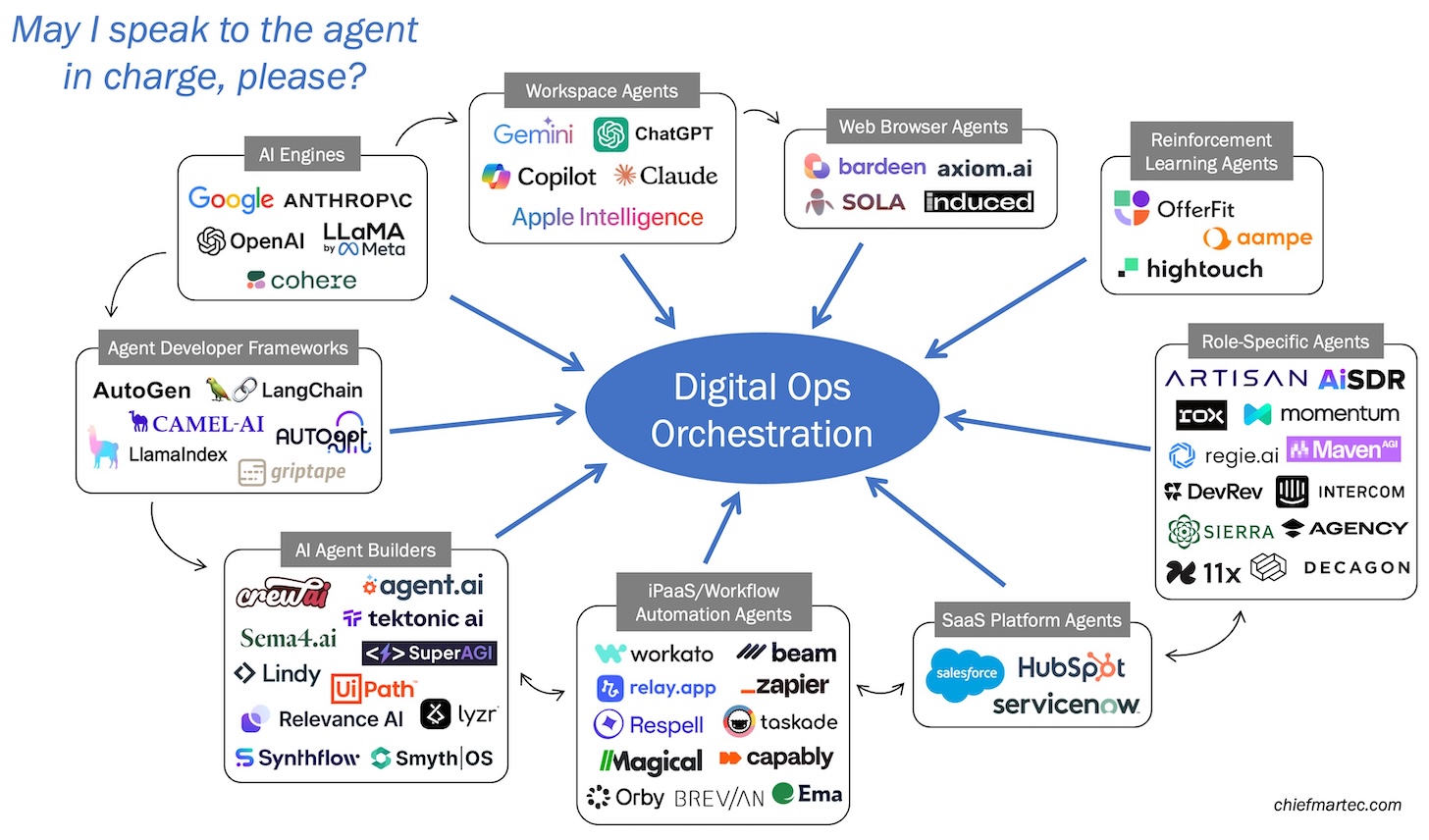
As we delve into the realm of AI agents, it is essential to comprehend what they are and how they differ from conventional AI robots. This comprehensive manual will investigate the myriad applications of AI agents, from enhancing client service to simplifying promotional efforts. We will examine the advantages they provide, particularly for minor companies and startups, and talk about how you can harness their capabilities to drive your business forward. In the coming sections, we will uncover optimal methods for integrating AI agents, the tools available to help you build them, and the upcoming trends that will shape their evolution in the coming years. Prepare to discover the thrilling possibilities of AI agents as your next digital help.
Understanding Artificial Intelligence Agents
Artificial Intelligence agents are complex software programs developed to execute activities independently using artificial intelligence. In contrast to traditional applications that requires direct user interaction, these agents function without human intervention, deciding based on data analysis and learned patterns. They can analyze information, modify to new circumstances, and learn from previous experiences, which enables them to refine their efficiency over time.
Such agents have a variety of functions within multiple industries. In business, they can address customer questions, oversee calendars, and even aid with data input and analysis. Their ability to automate mundane jobs not only boosts productivity but also liberates human workers to concentrate on more intricate and innovative responsibilities. This shift is becoming crucial as organizations seek ways to improve their processes and boost efficiency.
As technology continues to evolve, the abilities of these agents are evolving rapidly. They are now able of participating in more nuanced interactions and comprehending context better than ever before. This evolution is allowing businesses to deploy AI agents in new ways, from consumer relations and marketing to retail and project oversight. The coming years promises further integration of these agents into everyday workflows, making them essential tools in a technology-driven corporate environment
Artificial Intelligence agents in Transforming Businesses
AI agents are redefining the sphere of modern businesses by empowering automation and enhancing workplace efficiency. They execute tasks that traditionally necessitated human intervention, allowing companies to refine processes and concentrate on main tasks. By leveraging artificial intelligence and data analysis, AI agents can perform immediate choices, enhance precision, and effectively manage intricate processes that would be lengthy and mistake-prone for people.
The evolution brought by AI agents is particularly notable in areas such as customer support, where they provide immediate reply and solutions to client inquiries. This has significantly changed how businesses interact with their customers, enabling a 24/7 support model that improves customer contentment. Additionally, artificial intelligence systems are used for client acquisition in marketing, optimizing campaigns, and cultivating prospects, ultimately increasing revenue and enhancing income.
As businesses continue to implement AI systems, they are gaining significant time-related and cost reductions. Automated processes reduce the burden on employees, allowing them to focus on higher-value tasks that require human creativity and strategic thinking. This transition not only increases productivity but also encourages a culture of advancement within organizations as they utilize AI systems to unlock fresh possibilities and improve overall effectiveness.
Creating and Choosing AI Agents
When starting on the process of developing your first AI agent, start by distinctly defining its objective and the problems it aims to solve. Establish the information sources it will utilize and the functions it will handle. A specific objective will direct the development process, ensuring that the agent is adapted to meet exact business needs. Educate yourself with the resources and technologies available for creating AI agents, including programming languages, ML frameworks, and dev platforms that can facilitate the development process.
Choosing the right AI agent for your business entails a thorough evaluation of your requirements and the features that different agents offer. Look for AI Start-up that offer capabilities aligned with your aims, such as natural language processing, system integration, and multi-tasking capabilities. Assess factors like scalability, ease of implementation, and ease of use. Carrying out trials or test runs with different AI agents can offer valuable information into their efficiency and fit for your organization.
In conclusion, keep in mind the ongoing care and improvements required for AI agents. As the industry evolves and business demands change, so too should your AI agents. Opt for platforms that offer robust support and consistent updates to confirm the agents continue effective over time. Regular training and fine-tuning will improve their performance and help your business keep competitive in an progressively automated landscape.