Soggy Grounds? Time for a Basement Moisture Proofing Revamp
An wet basement can seem like a homeowner's biggest nightmare. Not just does it create an uncomfortable environment, but it furthermore poses serious risks to the structural integrity of your home and can lead to mold and mildew growth. If you have seen signs of moisture, such as musty odors or peeling paint, it may be time to consider a basement waterproofing makeover. This thorough guide will explore all you need to know about maintaining your basement dry and protected.
From spotting the common causes of basement leaks to comprehending the differences between interior and exterior waterproofing methods, we will equip you with the knowledge to make educated decisions. You'll learn about the essential steps to take if you see water damage, how to choose the appropriate waterproofing contractor, and the costs associated with these repairs. Investing in basement waterproofing not only safeguards your home but also enhances its overall value, making it a wise choice for any homeowner. Let’s dive into the ultimate guide to basement waterproofing and ensure your space stays dry and inviting.
Signs That Your Basement Needs Waterproofing
One of the most evident signs that the basement needs waterproofing is the presence of moisture or dampness on the walls and floors. If you spot stains from water, mold growth, or a musty odor, these are clear indications that too much moisture is seeping into your basement. Ignoring https://aluneed.ca/ can lead to significant problems, such as structural damage and health problems due to mold and mildew.
Another sign to watch for is increased humidity in the basement. If the air feels excessively humid, even when different parts of your home are dry, this could be a sign that moisture is entering the basement. Additionally, if you find condensation on glass or metal areas in the basement, it may be time to look into waterproofing to resolve the underlying moisture problems.
Fissures in the walls or floor of the basement also indicate a need for waterproofing. These cracks can allow moisture to enter the space, leading to further damage over time. If you see fissures that seem to extend or grow after heavy rain, it is crucial to address them promptly. Proper waterproofing solutions will not only stop water from getting in but also help maintain the integrity of your home's foundation.
Cost and Value of Basement Waterproofing
The price of waterproofing your basement can differ significantly based on multiple factors, including the dimensions of the basement, the level of water issues, and the waterproofing methods chosen. Homeowners can expect to spend anywhere between a couple of hundred to several thousand dollars. Indoors waterproofing solutions, such as sealants and drain pumps, tend to cost less but may not resolve the root causes of water intrusion as effectively as outdoor methods. It's important to get multiple estimates and consider long-term advantages when evaluating costs.
Investing in waterproofing your basement not only secures your home from potential moisture damage but also enhances its overall value. Properties with sealed basements tend to attract buyers who value safety and long-term maintenance. By stopping structural damage and mold growth, waterproofing increases the lifespan of your home's foundation, making it a valuable investment. Homeowners may also experience a return on investment when selling their property, as well-maintained basements are often a strong selling point.
In addition to this to protecting against leaks and water damage, proper waterproofing can contribute to improved indoor air quality. Damp basements can lead to the growth of mold and mildew, which can have negative health effects. By lowering moisture levels, homeowners not only protect their physical property but also foster a healthier living environment. Ultimately, the price of basement waterproofing should be viewed as an essential expense that provides both short-term and long-lasting value to your home.
Techniques and Solutions for Efficient Moisture Protection
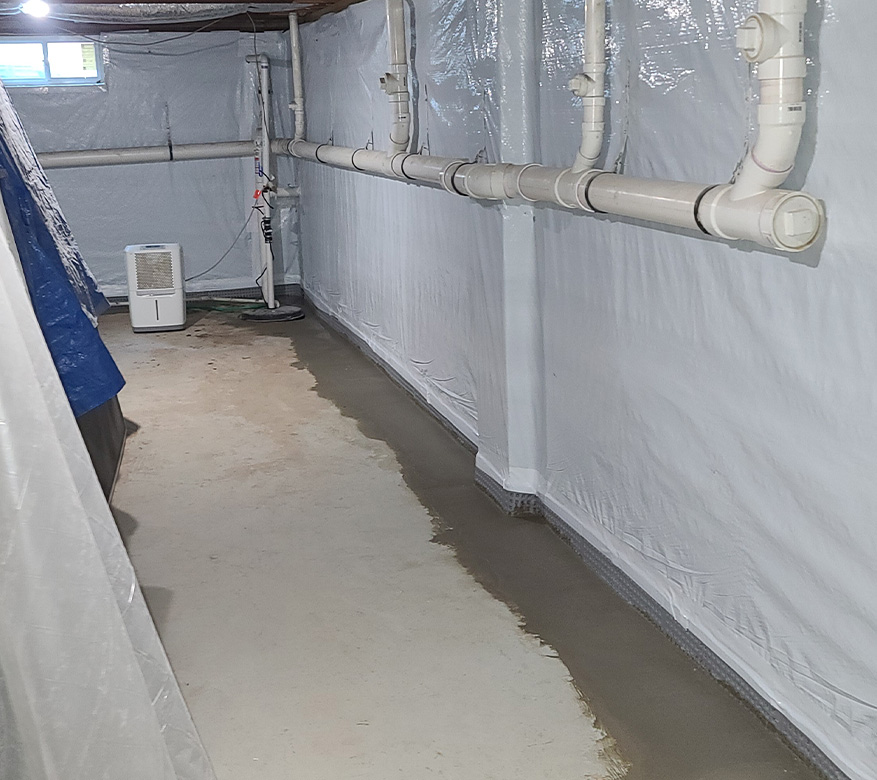
Regarding the waterproofing of basements, various strategies can be used to maintain your basement dry and protected. Interior solutions frequently consists of coating walls and the floors with waterproof coatings and employing a drainage solution such as a basement pump. This approach is cost-effective and can resolve minor leaks and dampness problems successfully. Additionally, adding a moisture absorber can control moisture levels and mitigate mold development, which is crucial for ensuring a clean indoor environment.
Outside, waterproofing solutions may include excavating around the building foundation and installing a protective membrane, which acts as a barrier against moisture from below. Drainage systems can also be constructed to redirect water away from the foundation the foundation, significantly diminishing the likelihood of water entering. This strategy is particularly effective for residences in areas with high rainfall or poor drainage.
It is crucial to assess the particular requirements of your home in order to selecting a waterproofing solution. Consulting with a licensed contractor can guide find the most effective method based on factors like the soil's characteristics, household water demands, and structural integrity. By adopting the right combination of indoor and exterior approaches, residents can enhance their basement’s safety and enjoy the additional advantages of enhanced property worth and improved air quality.