Starting from Timber and Wind: An Evolution of Sustainable Stoves
In today’s world increasingly emphasizes sustainability and lessening our environmental impact, the kitchen is in a notable transformation. Environmental stoves are at the forefront of this transition, merging functionality with environmental responsibility. Such advanced heating solutions not only offer a method to cook and warm our homes but also significantly reduce the impact on our planet. Through the use of diverse technologies and fuels, eco stoves provide an efficient alternative to traditional cooking methods and heating devices, which makes them a wise choice for eco-conscious consumers.
In this article, we will examine what eco stoves are and how they function, along with their various benefits and features. We will contrast eco stoves to traditional stoves, analyze their environmental impacts, and talk about the savings they can bring on energy bills. Whether you're a property owner seeking sustainable solutions or someone interested in portable options for outdoor adventures, you'll find something useful here. Come along with us as we navigate the evolution of eco stoves and learn about how they can enrich your lifestyle while promoting a healthier planet.
Understanding Environmental Stoves
Ecological stoves are created to offer an optimized and eco-conscious way to make meals and warm spaces, employing innovative technology to minimize energy consumption and emissions. These stoves often employ eco-friendly fuels, such as wood pellets, which ignite more cleanly in contrast to traditional fossil fuels. The primary goal of eco stoves is to minimize their environmental impact while boosting energy efficiency, positioning them an desirable option for sustainable living.
One of the essential features of eco stoves is their advanced burn systems, which make certain that they consume fuel with greater efficiency. This leads to increased heat production with lower fuel requirements, ultimately resulting in energy savings. Additionally, eco stoves often include characteristics such as adjustable air control, enabling users to enhance the combustion process based on their particular cooking or heating needs. This not only enhances performance but also contributes to lowering indoor air pollution, a frequent issue with traditional stoves.
As the demand for green solutions grows to expand, manufacturers are progressively focused on green practices in their designs. Many eco stoves are crafted from reclaimed resources or are built to last longer, contributing to less resource depletion. With multiple styles and options available, eco stoves can cater to different lifestyles, whether for small urban apartments or rural homes, thus promoting a shift towards enhanced sustainable living practices across the planet.
Advantages and Impact
Green stoves offer numerous advantages that go beyond just the convenience of cooking. They greatly increase fuel efficiency, often using renewable resources such as wood or compressed organic matter that are cleaner burning than standard fuels. This efficiency means a reduced amount of fuel is needed for the same amount of energy warmth, which also results into reduced utility costs for residents. By switching to eco stoves, people can enjoy the warmth and cooking capabilities they desire while reducing the impact on their finances and the planet.
Furthermore, eco stoves are designed to produce lower emissions, which directly improves indoor air quality. Unlike standard cooking appliances, which can emit toxic substances into the living space, eco stoves typically employ advanced combustion technology that ensures a cleaner burn. This leads to a reduction in indoor air pollution, making them a healthier choice for households, especially those with children or individuals with respiratory issues. As https://townandcountryfiresyorkshire.co.uk/best-eco-wood-burning-stoves-yorkshire/ of indoor air quality grows, eco stoves are gaining increasingly important in promoting healthier living environments.
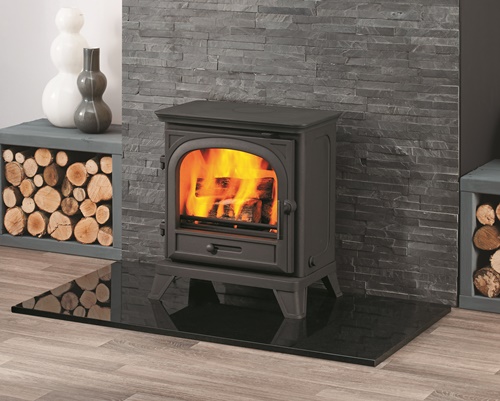
In a broader context, the adoption of eco stoves adds to sustainable living and the reduction of carbon footprints. By choosing eco-friendly cooking methods, consumers help foster a transition towards renewable energy sources and lower greenhouse gas emissions. This collective effort aids in combating climate change impacts and fosters a commitment of sustainability among communities. As more people invest in eco stoves, the positive environmental impact becomes even more pronounced, encouraging a greater dedication to eco-conscious living around the world.
Picking and Maintaining Eco Furnaces
When picking an eco stove, it's important to consider your individual needs and the existing space in your home. Evaluating the stove's heating capacity, fuel type, and efficiency ratings will help you make an informed decision. For those living in smaller homes, compact models that enhance space while not sacrificing performance are recommended. Furthermore, ensure that the stove conforms with your habits, whether you favor wood, pellet, or other eco-friendly options.
Consistent maintenance is important for best performance and longevity of your eco stove. This consists of periodic cleaning of the chimney and flue to avoid soot buildup, which can diminish efficiency and create safety hazards. Moreover, checking and changing gaskets, as well as looking for any signs of wear and tear, will assist preserve the stove's functionality. Adhering to the manufacturer's guidelines for maintenance will verify your stove operates safely and effectively for years to come.
Appropriate installation is also essential for increased efficiency and safety. Hiring a qualified technician makes sure that your eco stove is adequately vented and complies with all safety standards. Adequate installation not only improves performance but also lessens the risk of indoor air pollution and fire hazards. Considering these factors in mind will help you take advantage of the advantages of your eco stove while making a difference to a healthier environment.