Strategies to Efficient Flood Damage Recovery Unveiled
Water damage can strike unexpectedly, leaving homeowners feeling stressed and uncertain about what to do next. The aftermath of water intrusion can lead to extensive damage if not addressed quickly and properly. With so many causes, from leaky roofs to broken pipes, knowing how to respond effectively is vital. This guide delves into the keys of effective water damage restoration to help you manage the process and protect your property.
From immediate actions to take after water damage occurs to understanding the difference between water damage and flood damage, our thorough approach covers all homeowners need to know. Whether you are dealing with a minor leak or a major flooding event, the insights provided here will enable you to restore your living space quickly and successfully. With the right knowledge and resources, you can reduce damage, prevent mold growth, and ultimately protect your property for the future.
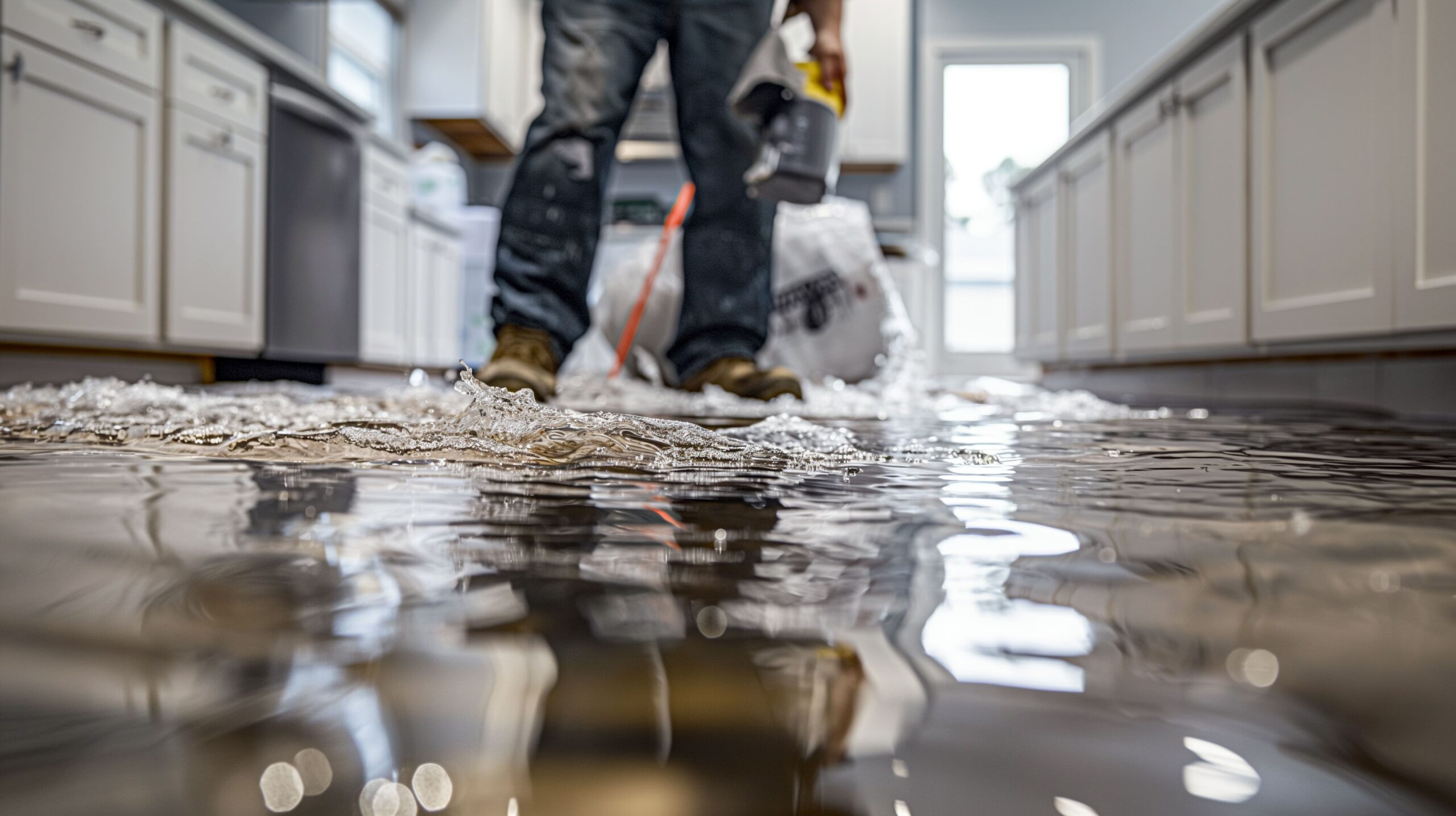
Urgent Actions Following Water Inundation
Upon encountering faced with water damage in your home, your first step is to focus on safety. Prior to entering the affected area, ensure that no risk of electrical shock by turning off the electricity if it is safe to do so. Additionally, wear protective gear such as rubber boots and gloves to safeguard against hazards. Once you have ensured it is safe, assess the extent of the damage while taking note of where of the water, whether from a burst pipe, a leaking roof, or some other source.
Then, begin the process of removing standing water as quickly as possible. Use mops, towels, or a wet/dry vacuum to eliminate as much water as you can. If it's deep, consider hiring professionals who are experts in water extraction, as they have equipment and expertise to handle larger volumes of water efficiently. The quicker water is removed, the lower the risk of further damage to your walls, flooring, and personal belongings.
After the majority of the water has been cleared, it's vital to start the drying process. Open windows and doors to improve airflow, and use fans and dehumidifiers to accelerate drying. Pay close attention to areas that can harbor moisture, such as carpets, underflooring, and walls. Check for hidden water damage by inspecting these areas and be vigilant for signs of mold or mildew, which can develop quickly in damp conditions. Taking these prompt actions can significantly mitigate damage and facilitate a successful restoration process.
Comprehending Water-Related Damage Restoration
Water damage restoration is a crucial process that includes the removal of excess water and the rehabilitation of damaged areas in a home. This process is important for stopping further deterioration, fungal growth, and infrastructural issues that can develop from unattended water exposure. When homeowners experience water damage, whether from a burst pipe, seeping roof, or natural flooding, comprehending the restoration process can greatly determine the outcome.
The restoration process typically begins with a thorough assessment of the damage. Professionals perform a water damage inspection to determine the extent of the problem and to identify invisible water damage that may not be immediately visible. Following this assessment, a tailored plan is created to handle the individual needs of the property. This may include water extraction, drying, and dehumidification to avoid long-term issues.
Post-restoration, it is important for homeowners to take anticipatory measures to shield their property. This includes understanding how to stop future water damage and spotting signs that point to persistent issues after restoration. A successful restoration not only returns the home to its original condition but also empowers homeowners with the insight necessary to mitigate risks associated with future water incidents.
Avoiding Future Water Damage
To effectively prevent future water damage in your home, routine maintenance is crucial. Commence by examining your plumbing systems, such as pipes, faucets, and toilets, for any signs of leaks or corrosion. Addressing small issues immediately can stop them from turning into significant water damage. Moreover, checking the roof for missing shingles or wear can help you prevent leaks during rainstorms. Maintaining gutters clean and making sure proper drainage away from your home’s foundation will also reduce the chances of water accumulation.
An additional vital aspect of prevention is utilizing water detection systems. These devices can notify you to leaks or unusual moisture levels before they become significant problems. Think about placing Click here to find out more in areas that are prone to water damage, such as basements, bathrooms, and near major appliances like washing machines and dishwashers. Additionally, installing sump pumps can be an valuable measure in flood-prone areas, helping to channel excess water away from your home.
Teaching yourself and your household about water damage signs is just as important. Motivate everyone to report any issues, such as unusual dampness, peeling paint, or musty odors, swiftly. By creating a routine of evaluating your home for these issues and remaining vigilant, you can take quick action and reduce the impact of potential water damage. Developing these preventive habits will not only protect your property but also give you peace of mind.