Transforming Dull to Stunning: The Craft of Revitalizing Natural Stone
Natural stone materials can infuse a space with elegance and timelessness, but as time goes by, they may diminish their luster due to wear and tear. This phenomenon can lead to flatness, blemishes, and discolorations that detract from the aesthetic of your property. Restoration of stone is not merely a superficial enhancement; it is a essential maintenance practice that can rejuvenate aged surfaces, extend their lifespan, and enhance the overall visual charm of your business. In an era where first views matter, preserving the quality and grace of stone surfaces is crucial for maintaining asset value and appeal.
In this detailed guide, we will explore the art of refurbishing these materials, providing insights into the importance of the stone restoration process, common issues that may happen, and the different techniques available to revive your surfaces to their former state. Whether you are handling marble, understanding the details of the restoration of stone will empower you to make informed decisions for your property. From spotting signs that restoration is required to uncovering the gains of professional services, this article will equip you with the knowledge to change lackluster stone into brilliant masterpieces.
Grasping Rock Restoration Techniques
Stone rehabilitation encompasses a variety of methods aimed at renewing natural rock finishes, recovering their natural beauty and enhancing their lifespan. The method typically commences with a detailed washing to remove dirt, filth, and any existing sealants that may have worn away through use. Based on the kind of stone, specialized detergents or tools may be used to guarantee that the surface is adequately readied for further rehabilitation tasks.
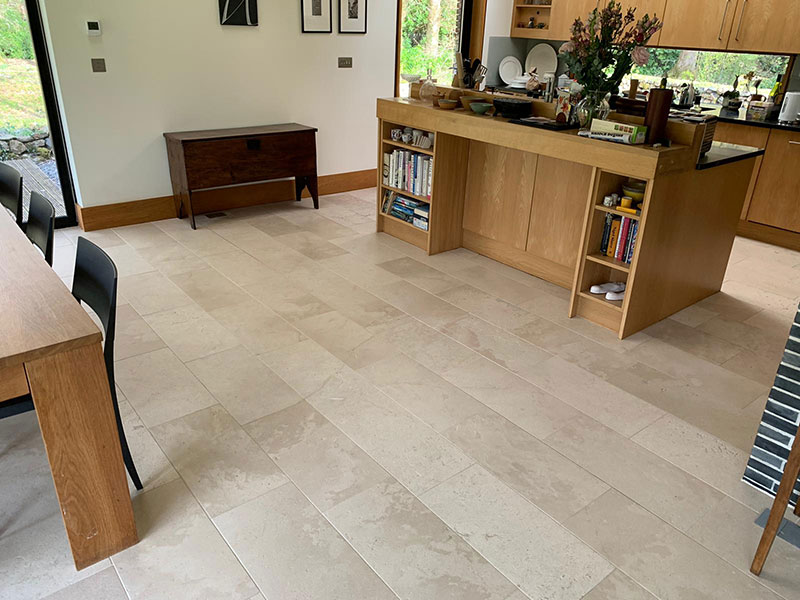
When cleaning is done, the next step often involves repairing any fissures, dents, or major harm to the rock. This may encompass sealing blemishes with color-matched epoxy or adhesives that integrate smoothly with the neighboring surface. Restoration specialists also evaluate whether shining or honing is required to rejuvenate the rock's gloss. Each approach has its own benefits; honing creates a matte look while polishing offers a bright shine.
Final sealing is a critical ultimate step in the stone rehabilitation process. A high-quality finish shields the rock from future stains and water penetration, ensuring durability and endurance. It is important to pick the correct type of finish considering the rock's particular features and the environment it is subjected to. By understanding these methods, real estate owners can make informed decisions about preserving and boosting the appeal of their natural rock surfaces.
The Advantages of Professional Stone Restoration
Investing in professional stone restoration provides numerous benefits that can improve the look and longevity of natural stone surfaces. Great post to read is the revival of the stone's natural luster and tone. Over time, surfaces can be dull due to wear, scratches, and blemishes. Specialized restoration employs cutting-edge techniques and equipment to shine and smooth the stone, resulting in a gorgeous transformation that can greatly improve the overall look of your establishment.
One more critical benefit is the protection of future harm. Expert restorers can identify underlying issues such as cracks or moisture infiltration that may go unnoticed. By addressing these problems in advance, they can help prevent more extensive and expensive repairs later on. This preventive approach not only protects your investment but also prolongs the life of your stone surfaces, making restoration a savvy long-term decision.
Finally, specialized stone restoration can significantly boost the worth of your property. Carefully preserved stone surfaces create a positive effect on prospective buyers and lessees. A beautifully restored stone area boosts the attractiveness of both domestic and commercial properties, making them more attractive in the market. Investing in restoration not only enhances your property’s attributes but also is beneficial in ensuring a higher return on investment in the years to come.
Frequent Concerns and Keeping Tips
Natural stone surfaces are susceptible to a variety of issues over time, such as gouges, engraving, and discoloration. Common causes of damage comprise spills from corrosive substances, the use of abrasive cleaning materials, and intense foot traffic that can diminish the finish. It is crucial to spot these issues early to stop them from getting worse, as ignored damage can lead to costly repairs or even require full restoration. Regular assessments of your stone surfaces can aid detect these problems before they escalate.
To maintain the aesthetic and integrity of your stone, appropriate cleaning and care are vital. Utilize pH-balanced cleaners specifically designed for natural stone, and steer clear of acidic or rough products that can result in further damage. Implementing a regular cleaning schedule will assist prevent dirt and grime from building up, maintaining the stone's appearance. Moreover, using coasters, placemats, and rugs in frequent areas can protect your stone from gouges and spots, prolonging its lifespan.
Sealing your authentic stone is another vital maintenance action. A reliable sealant guards the surface from moisture infiltration and discoloration. Depending on the variety of stone and its exposure to wear, re-sealing every one to three years is advised. Additionally, consistently polishing the stone can improve its gloss and offer a protective layer against minor damage. Following these care tips can aid keep your natural stone looking pristine for numerous years to come.