Unlocking Precision: An Critical Role of Land Surveying Services
In the detailed world of real estate and development, exactness is paramount. Land surveying are the foundation of any thriving project, offering clarity and certainty in the often-challenging relationship between land and ownership rights. Whether you are a buyer considering a fresh purchase, a developer embarking on a extensive project, or a contractor preparing for development, the insights provided by professional surveyors can unlock accuracy and minimize risks.
From land boundary issues to construction staking, the role of surveying services extends far beyond straightforward measurements. Understanding the various types of land surveys and what to look for during the survey process can empower individuals and companies in the same way to make educated decisions. This article delves into the essential aspects of surveying services, highlighting the important reasons to hire a qualified surveyor, the importance of exact surveys in real estate development, and how new technology is changing the industry. Join us as we investigate how surveying is not just a necessity, but a fundamental tool for ensuring prosperity in your land endeavors.
Main Reasons to Engage a Certified Surveyor
Hiring a qualified surveyor is crucial for ensuring the correctness and lawfulness of land measurements. One of the main justifications to retain a surveyor is their expertise in establishing property boundaries. This is especially important in preventing arguments with adjacent owners and confirming that your land lines are distinctly defined and formally recognized. Certified surveyors are educated to analyze legal descriptions and employ advanced tools, guaranteeing that your land is precisely surveyed.
Another critical justification to hire a professional surveyor is their capability to assist with various real estate transactions and development projects. Surveyors provide critical information that influences decisions about land purchases, development, and zoning compliance. They can support developers in understanding site constraints, easements, and unoccupied parcels, which ultimately leads to effective project planning and execution. Their knowledge help minimize risks associated with land use, making them indispensable partners in any development endeavor.
Lastly, certified surveyors utilize modern technology, such as GPS and drones, to enhance the accuracy and effectiveness of their work. This technological advancement not only quickens the surveying process but also enhances the accuracy of the data collected. By employing Click here! -tech tools, surveyors can deliver detailed topographic and boundary surveys, which are necessary for any construction or land development project. Their expertise in employing these technologies ensures that clients obtain the top standard of survey services, ultimately preserving time and resources.
Key Types of Land Surveys
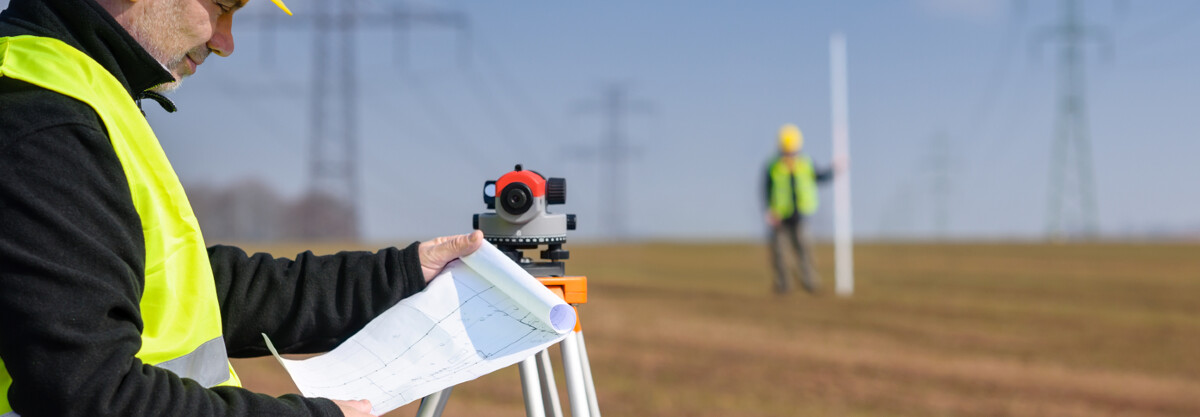
Numerous key categories of land surveys which occupy a significant function in defining property limits and land characteristics. Property boundary surveys are vital for determining the exact lines which separate one property from another. This type of survey is often necessary when a property owner wants to ensure that their boundaries are clearly defined, particularly prior to the building of fences or buildings. Accurate boundary surveys may assist preventing disputes with neighbors and offer legal protection for property rights.
Topographic land surveys offer thorough data about the elevation and shapes of a piece of land. Such surveys tend to be especially important for construction projects, as they help architects and engineers grasp the natural features of the terrain. Through mapping the slope, drainage, and other land characteristics, topographic surveys serve a significant role in site planning, grading, and landscaping. Developers commonly utilize these surveys to create designs that coordinate with the landscape and comply with zoning regulations.
A different important type of survey includes the ALTA/NSPS survey, which is frequently required for commercial real estate transactions. This comprehensive survey integrates boundary, topographic, and utility information, adhering to the standards established by the American Land Title Association and the National Society of Professional Surveyors. ALTA/NSPS surveys offer extensive details regarding property boundaries, easements, and zoning, ensuring that buyers obtain a complete understanding of that which they are purchasing and helping to mitigate potential legal issues.
The Role of Site Surveying in Real Estate and Development
Site surveying plays a essential role in property and development by providing accurate data and information crucial for design and construction. A land survey outlines land boundaries, identifies rights of way, and highlights any possible encroachments. This fundamental data is key not just for new developments, but also for property owners looking to buy or divest of property. By having a thorough understanding of property lines and dimensions, contractors can steer clear of expensive disputes and confirm that projects adhere to legal standards.
Additionally, land surveying services are necessary in the initial stages of developing. Experts utilize multiple types of land surveys, such as contour surveys and boundary surveys, which guide engineers and builders about terrain features. This data helps in the layout of structures and infrastructure, ensuring that construction efforts are both viable and in line with local regulations. Precise surveys also aid in identifying possible environmental impacts, which can affect the construction timeline.
As technology continues to progress, so does the importance of surveying in real estate development. New technologies such as Global Positioning System and unmanned aerial vehicles have boosted the precision and efficiency of surveys, allowing for instant data gathering and analysis. This advancement not only streamlines the land survey process but also guarantees that every aspect of real estate development is guided by accurate information. In the end, the role of surveying is crucial to creating environmentally friendly and law-abiding projects that serve both builders and the local residents.